
Teaching children to care for their teeth is an important part of parenting. Kids in Aurora can benefit from learning simple, age-appropriate dental habits early. These habits lead to healthy smiles and help avoid cavities. This blog offers tips for building a strong dental routine by age, from toddlers to teens.
Table of Contents
Why Dental Habits Matter
Good oral habits help children avoid tooth decay and gum problems. These habits also build confidence and make future dental visits easier. When kids learn how to care for their teeth, they are more likely to keep these habits as adults. Knowing how to teach oral hygiene to kids can make a big difference in their lifelong health.
Oral Care for Toddlers
Start early. As soon as your child gets their first tooth, it’s time to begin oral care. Use a soft baby toothbrush and a rice-sized amount of fluoride toothpaste. Brush gently twice a day.
Make brushing fun by using songs, games, or favorite toys. Early habits make dental hygiene feel natural. This stage is important for preventing cavities in kids and building trust with the toothbrush.
Dental Hygiene for Preschoolers
Preschoolers want to do things on their own. Let them try brushing, but offer help to make sure teeth are cleaned well. Use a pea-sized amount of toothpaste and encourage brushing for two minutes.
This is also the time to teach flossing. At this age, flossing tips for children include using floss picks made for small hands. Make flossing part of their bedtime routine. Good supervision during this stage leads to better results.
Dental Routine by Age: School-Age Kids
School-age children can brush and floss with more independence. Still, it helps to check that they’re doing it right. Use charts or timers to keep the routine on track.
Talk about healthy food choices too. Limit sugary snacks and drinks. These small steps are part of a complete dental routine by age and help in preventing cavities in kids.
Dental Care for Teens
Teens often face new dental challenges. Braces, retainers, and busy schedules can affect their oral care. At this stage, stress the importance of daily brushing, flossing, and rinsing.
Dental care for teens should also include discussions about tobacco, energy drinks, and other habits that can harm teeth. Encourage regular checkups and cleanings to stay ahead of any issues.
Parents Guide to Kids Dental Care
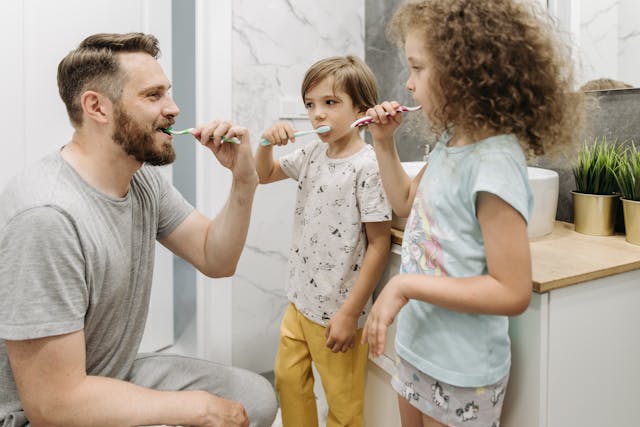
Being a role model matters. Show your child how you brush and floss every day. Turn it into family time when possible. Keep dental supplies within reach and choose fun toothbrushes or flavored toothpaste.
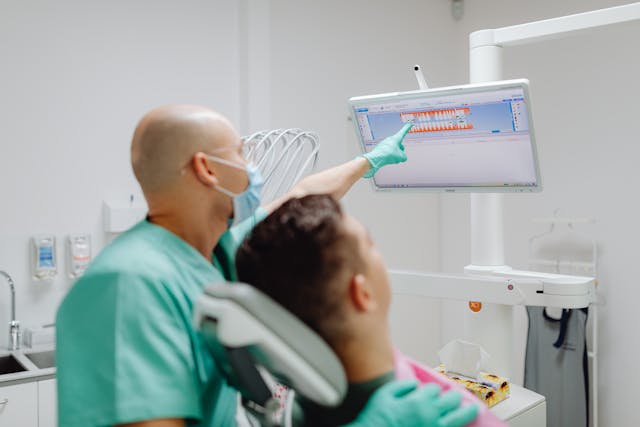
This parents guide to kids dental care also includes regular visits to the dentist. A provider of pediatric dentistry in Aurora can help track your child’s growth and offer expert advice at every stage.
Local Support from Pediatric Dentistry in Aurora
Finding the right dental home makes a difference. Pediatric dentistry in Aurora provides care focused on children’s needs. Friendly teams and kid-friendly environments help reduce fear and encourage cooperation.
Dentists in Aurora can offer custom advice based on your child’s age, dental history, and habits. They also guide parents through changes that happen as kids grow.
Conclusion
Teaching kids to care for their teeth takes time and patience. Start early, keep routines simple, and adjust as your child grows. With support from family and local professionals, your child can build strong dental habits for life. Whether it’s brushing baby teeth or managing teen braces, consistent care makes all the difference.
FAQs
1. When should my child start brushing their teeth?
As soon as the first tooth appears. Use a soft toothbrush and a tiny amount of toothpaste.
2. How can I help my preschooler brush better?
Brush together, use songs or timers, and help them reach all teeth—even in the back.
3. Should my child floss daily?
Yes. Start when two teeth touch. Floss picks made for kids are easier to use.
4. How often should kids visit the dentist?
Every six months for cleanings and checkups. Sooner if there are signs of trouble.
5. What if my teen wears braces?
They should brush after every meal and floss carefully. A pediatric dentist can offer extra tips.