
How often do you ask your doctor about the cost of a particular treatment before you decide whether to try it? For most people, cost is not a consideration because health insurance covers things pretty well. But when it comes to alternative treatments – like platelet-rich plasma (PRP) therapy – the financial situation is different.
At Lone Star Pain Medicine in Weatherford, TX, the choice of whether to try PRP therapy often boils down to cost. Very few insurance companies cover PRP injections. That means patients are left to pay for the treatment out of pocket. And it is not cheap.
Table of Contents
PRP Basics
PRP therapy is an injection therapy that utilizes highly concentrated platelets and growth factors to stimulate healing. A decade ago, it was primarily used to treat soft tissue and sports injuries. In fact, you may be familiar with athletes who have chosen PRP injections over surgery.
More recently, doctors began recommending PRP injections to treat alopecia, or male-pattern baldness. Plastic surgeons have also leaned into PRP therapy as a way to delay or reduce the effects of aging on the skin. Yet most PRP applications today are still related to soft tissue injuries.
How the Treatment Works
The therapy is part of a broader category of therapies known as regenerative medicine. Its mechanism is found in the term ‘regenerative’. PRP therapy is based on the idea of triggering the body to do what it is supposed to do naturally: heal soft tissue injuries.
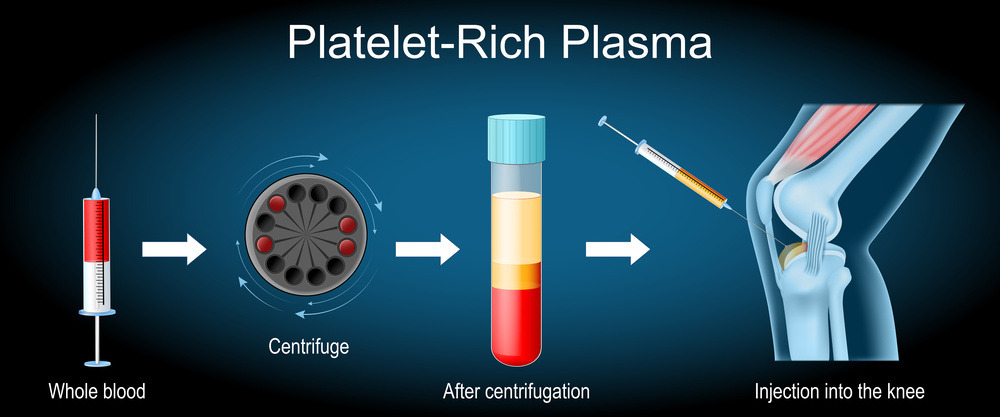
As an injection therapy, its main mechanism is the introduction of blood platelets and growth factors directly at the injury site. Those platelets and growth factors come directly from the patient being treated. Blood drawn from other patients is never used for a PRP session.
From a procedural standpoint, things pretty simple. A doctor conducts a routine blood draw to start. The blood is processed in a centrifuge to isolate the platelets and growth factors. The resulting material is then injected into the injury site. It triggers the body’s healing response and that is that.
Insurance Companies Don’t Cover It
Although the tide is slowly beginning to turn, most insurance companies still do not cover regenerative medicine, including PRP therapy. They consider it experimental at this point. Why they do so remains a point of contention because there is little hope for much change in the near future.
PRP therapy is already allowed under current FDA regulations so long as doctors use minimally manipulated, autologous material. There is no need for a doctor, clinic, or pharmaceutical company to conduct years long studies and then submit the results to the government for approval. But without those studies and the official FDA seal, insurance companies won’t recognize the therapy as legitimate. And as long as it is experimental, they are not likely to cover it.
It Can Be Expensive
There is hope that PRP therapy might someday be covered by insurance. After all, chiropractic and acupuncture were once considered experimental, too. Most insurance companies now cover both.
As for PRP, it can be expensive. Costs range from $500-$2,500 per session, just for the injections. Some clinics also charge a separate consultation fee as well as additional fees for imaging and anesthesia. The extra fees could be as high as $500 per session. At four sessions, a patient could be looking at $12,000 in total.
PRP therapy has been around for decades. Countless patients swear by its effectiveness. One would think insurance companies would remove the therapy from their experimental lists given both the success rate and the fact that it’s cheaper than surgery.
Want to know more? Head over to our blog!