
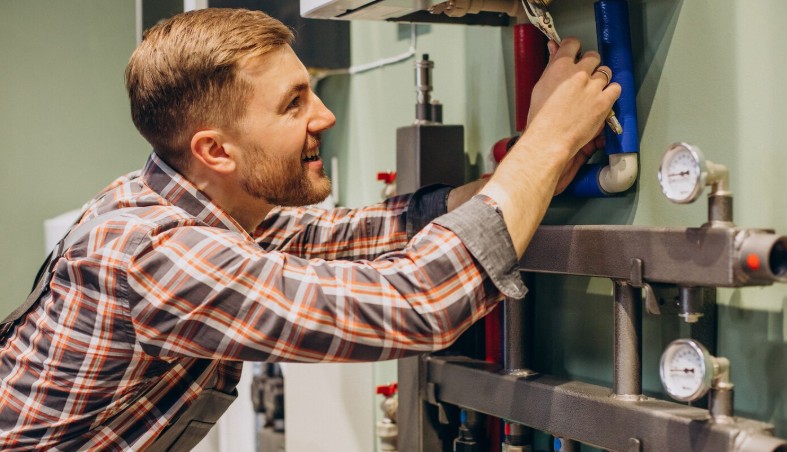

A furnace that runs without yearly service uses more energy and breaks down more often. Professional technicians say most high winter heating bills come from dirty parts, poor airflow, or small problems that were never fixed. Annual maintenance keeps the system efficient and prevents costly emergency repairs when the weather is cold. These are the main ways a yearly tune-up saves money.
A clean furnace burns fuel more efficiently. Dust and dirt build up on the burners, blower, and heat exchanger. This forces the system to run longer to heat the house. Technicians clean these parts during a maintenance visit so the furnace reaches the set temperature faster. Homes with regular service often see lower gas or electric bills compared to systems that go years without cleaning. The savings add up over a full heating season.
Dirty filters and blocked airflow waste energy. A clogged filter makes the blower work harder and reduces the amount of warm air that reaches the rooms. Most technicians replace or clean the filter as part of the service and show homeowners how to check it monthly. Better airflow means the furnace cycles less and uses less fuel. Skipping filter changes is one of the fastest ways to raise heating costs.
Small repairs caught early cost less than major breakdowns. During maintenance, technicians test safety controls, check for cracks in the heat exchanger, and look at the blower motor and belts. Finding a worn part in the fall is cheaper than replacing it in the middle of a cold night. Emergency service calls also include higher labor rates. Annual visits reduce the chance of a no-heat situation when outdoor temperatures are lowest.
Proper maintenance extends the life of the furnace. Most systems last 15 to 20 years with regular care. Without it, dirt and strain can cause the unit to fail years earlier. Replacing a furnace is a large expenseits often better to keep up on maintenance and do smaller heating repairs to save on replacement costs. Keeping the current system running efficiently delays that cost and spreads the investment over more seasons. Technicians often spot signs of wear before they lead to complete failure.
Safety checks protect against bigger problems. A cracked heat exchanger can leak carbon monoxide. Faulty limit switches or ignition problems can create fire risks. Annual service includes testing these safety features. Fixing them early prevents dangerous situations and the high cost of emergency repairs or home damage. Most homeowners prefer a planned visit over an urgent call.
Manufacturer warranties often require proof of maintenance. Some warranties become void if the furnace has not been serviced regularly. Keeping records of annual tune-ups protects the coverage. If a major part fails, the warranty can cover the replacement cost. Without those records, the homeowner pays the full price.
Finally, a well-maintained furnace provides more even heat. Rooms stay comfortable without the system running constantly. This reduces energy use and makes the home more pleasant during cold months. Technicians also adjust the system for the local climate so it performs better in winter conditions.
Scheduling furnace maintenance once a year, preferably before heating season, is one of the simplest ways to control winter energy costs. The service fee is usually far less than the extra fuel used by a dirty system or the price of an emergency repair. Homeowners who stay on a yearly schedule spend less on heating bills and avoid the stress of a breakdown when temperatures drop. A clean, checked furnace runs more efficiently and lasts longer, which saves money every winter.
For more info, visit our blog.