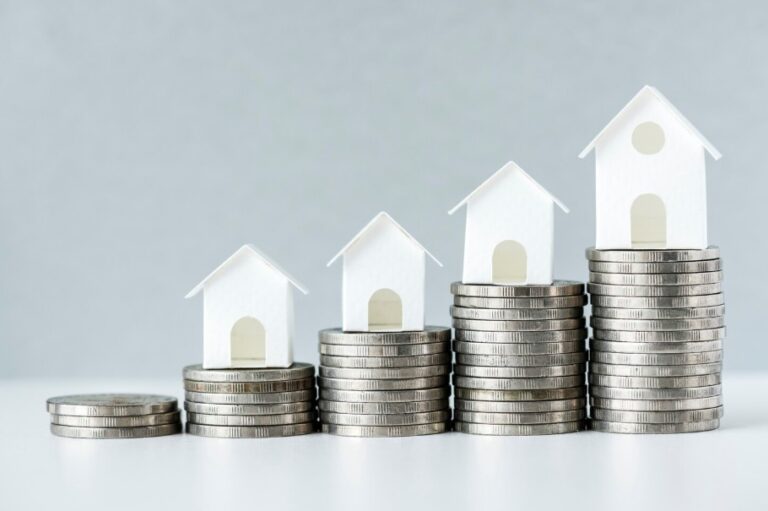


Homeownership starts years before you ever call a real estate agent. The small money choices you make today determine whether you’ll get house keys tomorrow. Most people think saving for a down payment is enough. They’re wrong. The habits you build now create the financial strength lenders want to see. These patterns matter more than your current salary or the amount sitting in your savings account.
Table of Contents
Daily Decisions That Build Your Future
Every morning, your money habits either push you toward or away from homeownership. That coffee shop visit adds up to hundreds monthly. Forgotten subscriptions drain your account bit by bit. They aren’t failures. They’re just choices. But tracking where money goes reveals shocking patterns that most people never notice until they apply for a mortgage.
Building awareness changes everything. Write every purchase for one month. Not forever, just thirty days. The patterns jump out immediately. Maybe eating out devours half your food budget. Perhaps online shopping happens whenever work stress peaks. Seeing these habits clearly lets you redirect that money toward your house fund without feeling deprived.
Credit Moves That Actually Matter
Your credit score acts like a report card for adults, except this one determines your interest rate. The difference between good and excellent credit might save thirty thousand dollars over a mortgage lifetime. That’s a car. Or a kitchen renovation. Or years of vacations. Pay every bill on time, even the annoying ten-dollar ones. Set up autopay if you forget things. Keep credit cards open even after paying them off, since length of credit history counts. Use less than thirty percent of available credit limits. Simple habits lead to monthly score increases.
The Saving Strategy That Works
Traditional advice says save twenty percent for a down payment. Reality laughs at tradition. Modern programs for first time home buyers often require just three to five percent down. Credit unions like US Eagle FCU frequently offer special deals that big banks will not touch. However, you’ll still need funds for closing, moving, and repairs.
The trick involves automating everything. Money that never hits your checking account can’t tempt you. Set up transfers that happen the day after payday. Start small if necessary. Even fifty dollars monthly becomes six hundred yearly. Increase the amount whenever you get a raise, bonus, or tax refund. Your brain won’t miss money it never sees.
Practicing Homeowner Thinking
Renters think month to month. Homeowners think in years and decades. Start practicing this mindset shift now. When something breaks, research how much fixing it costs instead of calling the landlord. Calculate what property taxes would be on places you like. Price out homeowner’s insurance for fun.
Building Relationships Before You Need Them
Banks and lenders aren’t faceless machines. They’re businesses run by people who remember customers. Opening an account at a local institution now creates a history they can see later. Using their services responsibly builds trust. When mortgage time comes, you’re not a stranger asking for hundreds of thousands of dollars. Talk to loan officers before you’re ready to buy. Ask questions about their programs. Learn what they want to see from borrowers. This intelligence gathering costs nothing but gives you a roadmap for preparation.
Conclusion
Good financial habits take time. Tiny daily choices create major change over time. Start tracking spending to find hidden money. Guard your credit score like a treasure. Save automatically so discipline becomes unnecessary. Think like an owner before you become one. Build banking relationships early. These habits transform pipe dreams into solid plans. The house you desire won’t care about your journey. However, developing these patterns simplifies the process.